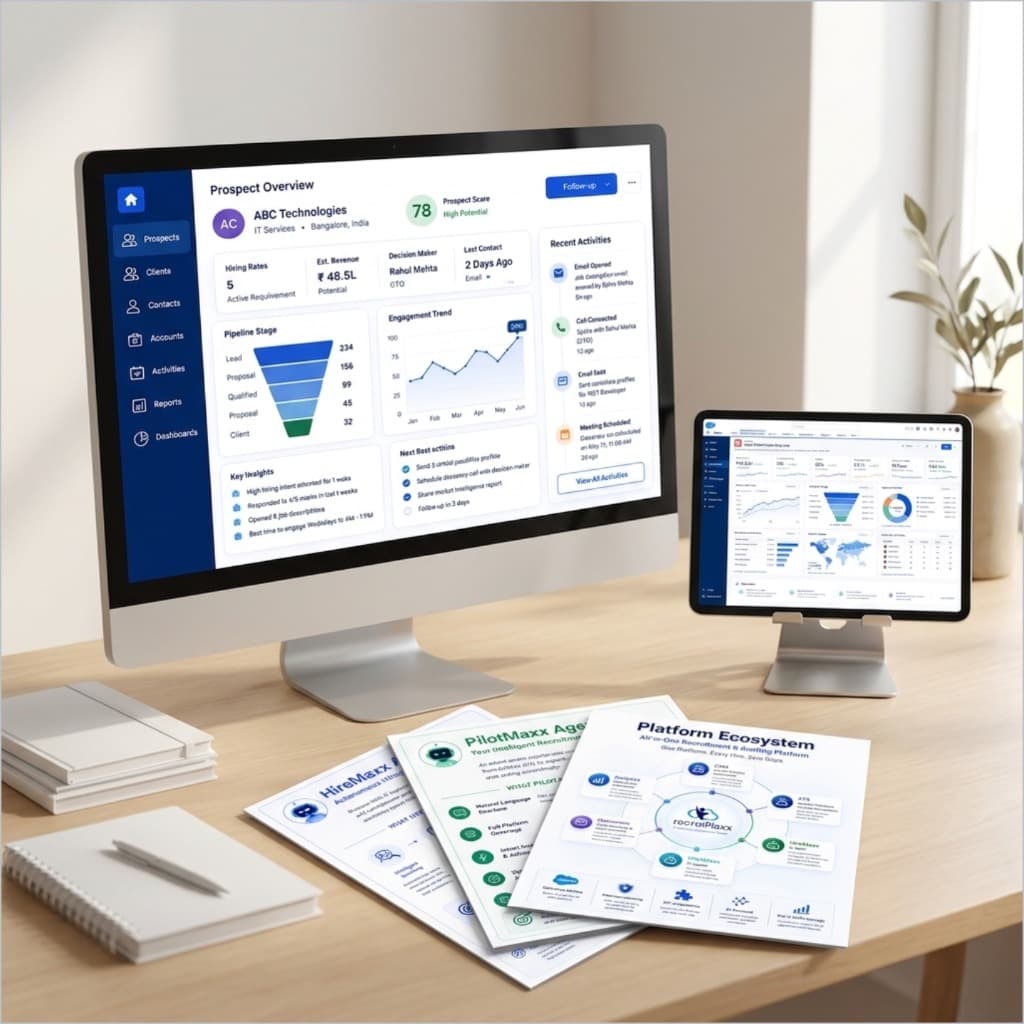
Best Recruitment CRM for Salesforce Ecosystem
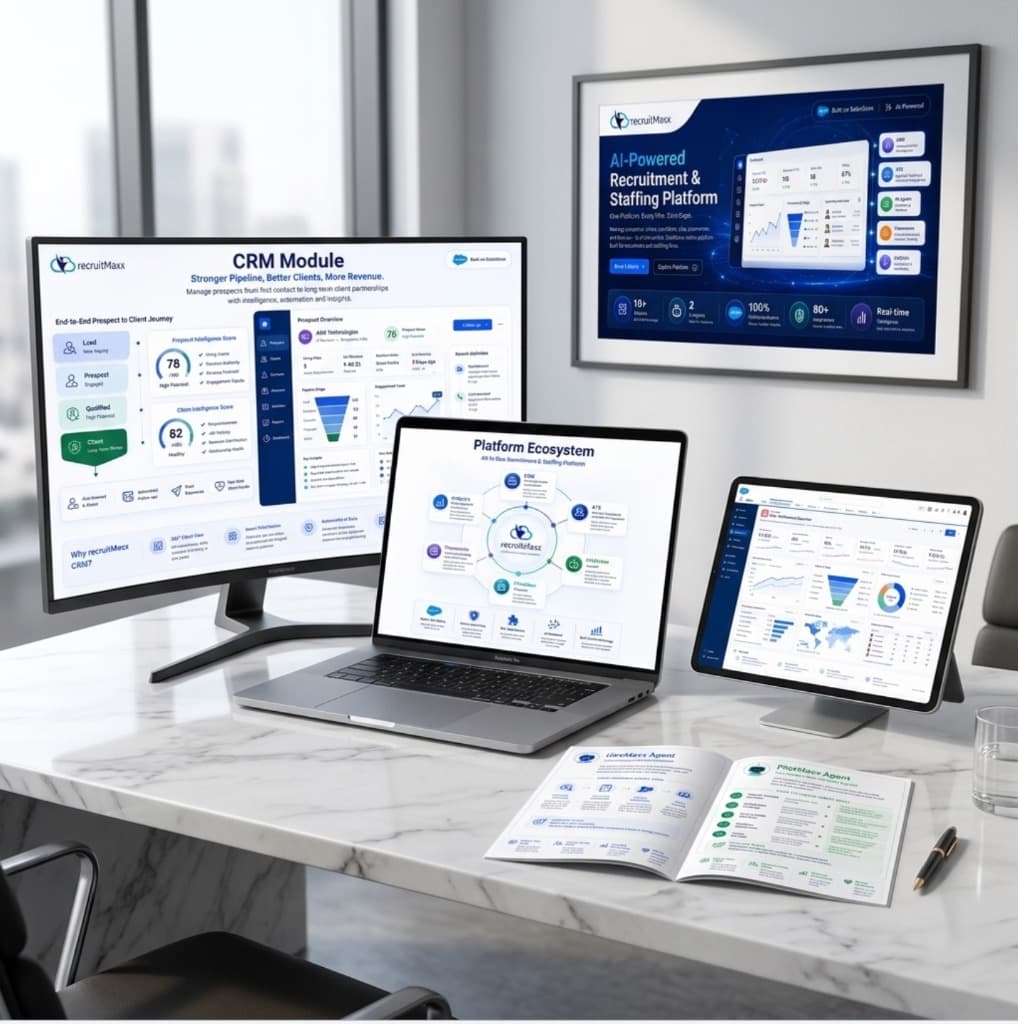
The staffing industry is experiencing a massive architectural migration. Recognizing the high cost of fragmented tech stacks, forward-thinking agencies are consolidating their operations onto Salesforce. However, simply buying an app from the AppExchange does not guarantee efficiency. Not all recruitment CRMs are built equally.
Key Takeaways
- Native vs Integrated: True "Native" CRMs share Salesforce's data schema. Integrated platforms rely on fragile APIs that inevitably cause data silos.
- The Cost of Fragmentation: According to industry benchmarks, 73% of mid-market recruitment agencies leak revenue due to context-switching.
- Enterprise Security: 100% native applications automatically inherit Salesforce's world-class GDPR and SOC2 compliance frameworks out of the box.
The "Franken-stack" Problem
For years, the standard operating procedure for a recruitment agency was to buy the best point solution for every specific problem. An ATS for tracking applicants, a CRM for managing client relationships, a mass-email tool for marketing, and a separate accounting system for invoicing.
The result? The Franken-stack. A stitched-together monstrosity of software where data is duplicated, compliance is impossible to guarantee, and recruiters spend 20% of their week just copying and pasting information between browser tabs.
"Choosing a native CRM means future-proofing your agency against the next decade of technological shifts. When you consolidate onto a true native platform, the administrative drag of stitching tools together simply disappears."
Native vs. Integrated (API) Architecture
| Feature | Integrated Platforms (API) | True Native Salesforce Apps |
|---|---|---|
| Data Sync | Prone to delays and limit errors | Instant; data shares the same database |
| Security | Vulnerable across multiple servers | Inherits strict Salesforce compliance |
| Reporting | Slow, often requires manual Excel exports | Real-time visibility across all operations |
How to Evaluate a CRM
If you are evaluating platforms, we recommend a strict framework to ensure you aren't accidentally buying a "Franken-stack" disguised as a Salesforce app.
1. The Source of Truth Test
Ask where the resume actually lives. If it's on AWS or external servers, it's not native.
2. The AI Readiness Test
Ensure your data is unified on-platform so tools like Salesforce Agentforce AI agents can read it without errors.
Why recruitMaxx is the Premier Choice
recruitMaxx was engineered from the ground up specifically to be the best recruitment CRM for the Salesforce ecosystem. We reimagined the entire placement lifecycle—from AI-driven sourcing to invoicing—so agencies can finally realize the true ROI of the Salesforce platform.
Frequently Asked Questions (FAQs)
1. What makes a CRM "Salesforce-Native"?
A native CRM is built entirely on Salesforce architecture (using Apex and Lightning). It doesn't rely on APIs to communicate; it is part of the core Salesforce database.
2. Why are API integrations a problem for staffing?
APIs break and create data silos. For example, if a candidate updates their email, the change might not sync from the ATS to the CRM, causing lost communication.
3. How does going native improve margins?
By eliminating the need to pay for 5-7 different tools, and removing the manual hours wasted copying data between them, agencies significantly increase revenue per recruiter.
Unify Your ATS, CRM & AI Sourcing on Salesforce
Stop paying for disconnected subscriptions and broken middleware. See how recruitMaxx saves recruitment agencies 15+ hours per consultant each week.